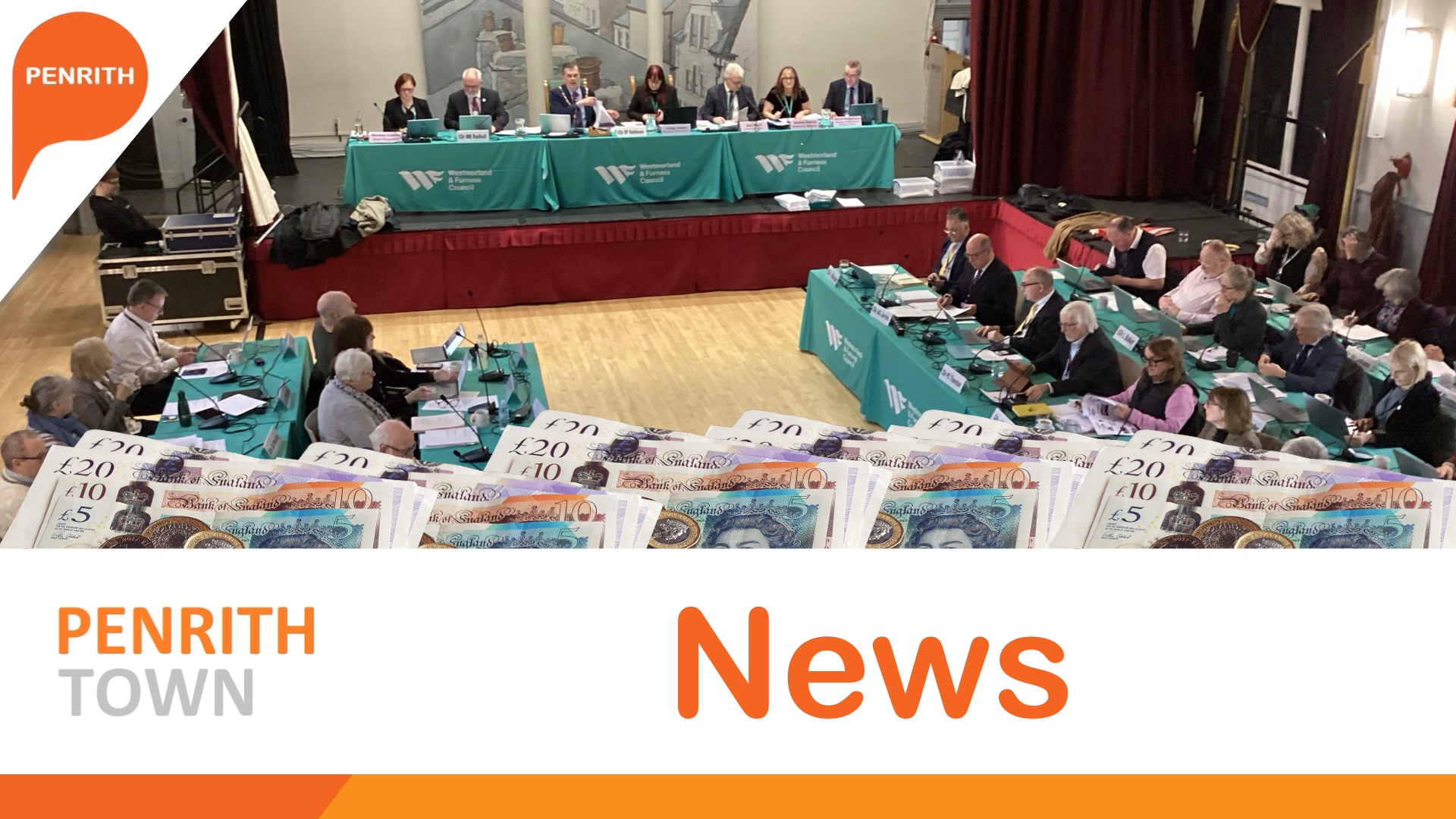
Westmorland and Furness Council is facing a forecast £16 million budget gap for next year as it begins another round of savings measures – with councillors warned the figure could get even bigger.
A report going before the council’s Corporate Overview and Scrutiny Committee this month sets out the latest position as work begins on finding savings for the 2027/28 budget.
The council says its Medium Term Financial Plan, approved alongside the 2026/27 budget, currently forecasts a £16m gap for 2027/28. But that figure depends on savings already identified for this year being delivered and there being no increase in financial pressures.
The warning comes against the backdrop of a much wider financial squeeze.
The council says significant reductions in funding over the Local Government Financial Settlement period will result in a loss of £40m of funding by 2028/29. Earlier this year, its budget proposals identified a £43m funding gap against the Medium Term Financial Plan, with the figure reflecting expectations around continued inflation increases and grants such as New Burdens funding.
The £43m figure is therefore a medium-term funding gap, rather than a £43m hole in a single year's budget.
Now the council is starting another search for savings.
A service review was carried out in July, followed by a Budget Focus week in August, with individual services developing proposals for reducing expenditure, increasing income, making greater use of grants and reviewing discretionary spending.
The council says possible savings are likely to cover areas including its workforce, budgets and services, digital opportunities, assets, income, contracts and procurement.
However, there are currently no further specific savings to report, with proposals from all directorates still under consideration or development.
One saving already progressed involves maximising grants within Children's Services, with the council reducing its core budget for a three-year period.
The scale of the financial challenge is also highlighted by the council's separate report into its controversial spending controls.
The Spend Control Board was established in December 2025 after the council introduced wider spending controls, covering areas including recruitment, agency workers, purchase cards and spending of £30,000 or more. The controls have since included a recruitment freeze, tighter checks on agency workers, restrictions on staff travel and external events and a “No PO No Pay” initiative.
The council says those wider spend-control measures have resulted in a direct £1.540m saving against procurement in 2026/27.
But the report makes clear that the £1.540m cannot simply be described as money saved by the Spend Control Board alone, saying it is not possible to directly attribute individual savings between the Board, the wider spending controls and budget communications.
The controls have nevertheless had a measurable impact, with purchase-card use falling by 60 per cent in volume and 54 per cent in value compared with the previous year.
For the council, however, the £1.54m saving is a relatively small part of the wider financial challenge it is now facing.
The latest report warns that the £16m budget gap for 2027/28 could increase if expected savings are not achieved or if pressures such as inflation exceed the amounts built into the council's budget.
The council is now reviewing the assumptions and estimates behind its Medium Term Financial Plan, with a provisional plan due to go before Cabinet in December.
And there is a clear warning in the paperwork that the council faces a risk of being unable to set a balanced budget for 2027/28 – a legal requirement for local authorities.
The next round of savings could therefore prove particularly significant, with potential workforce implications also flagged by the council. Any future workforce measures would be subject to consultation, HR processes and impact assessments where required.



 Then select "Add to Home Screen"