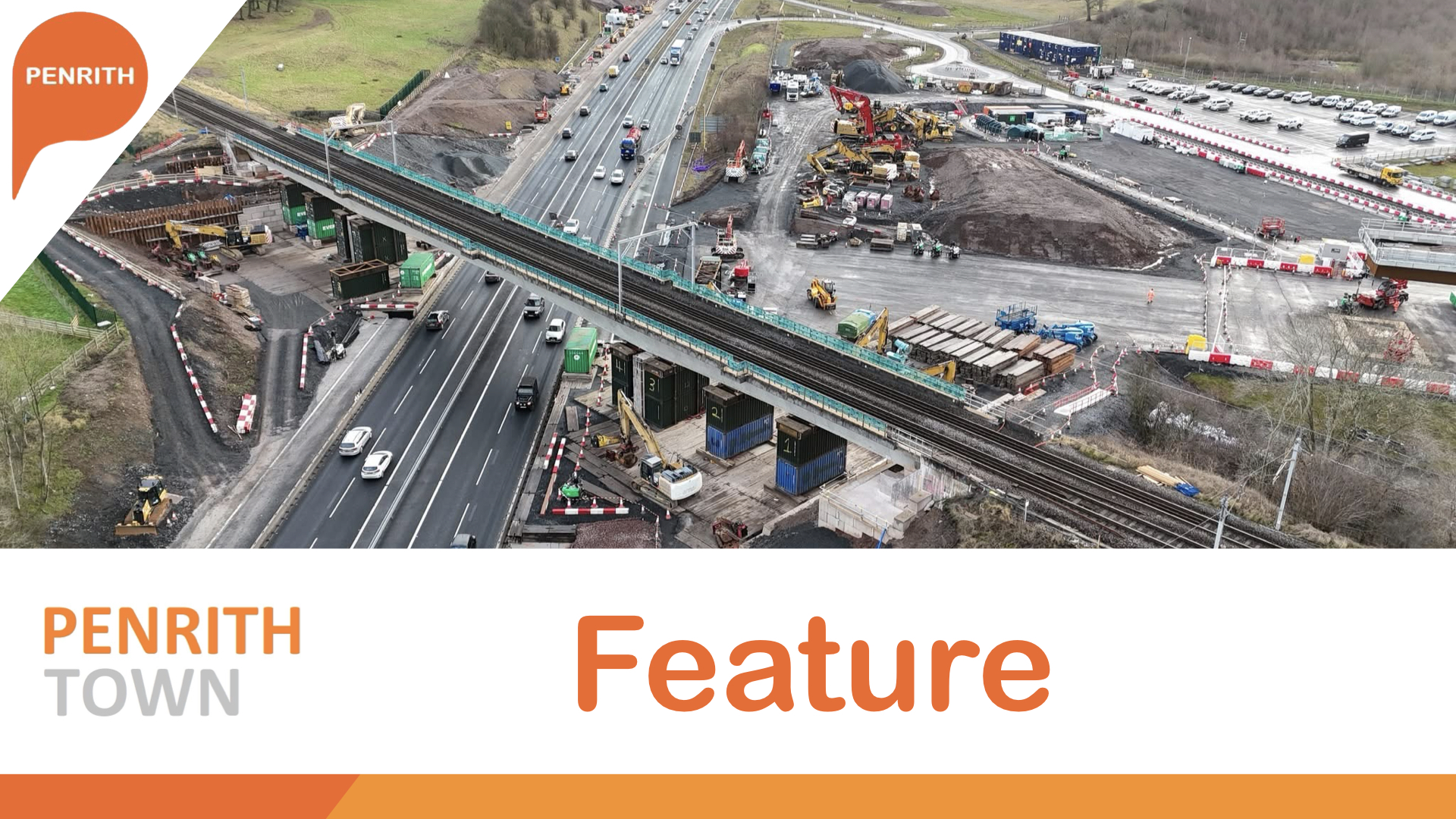
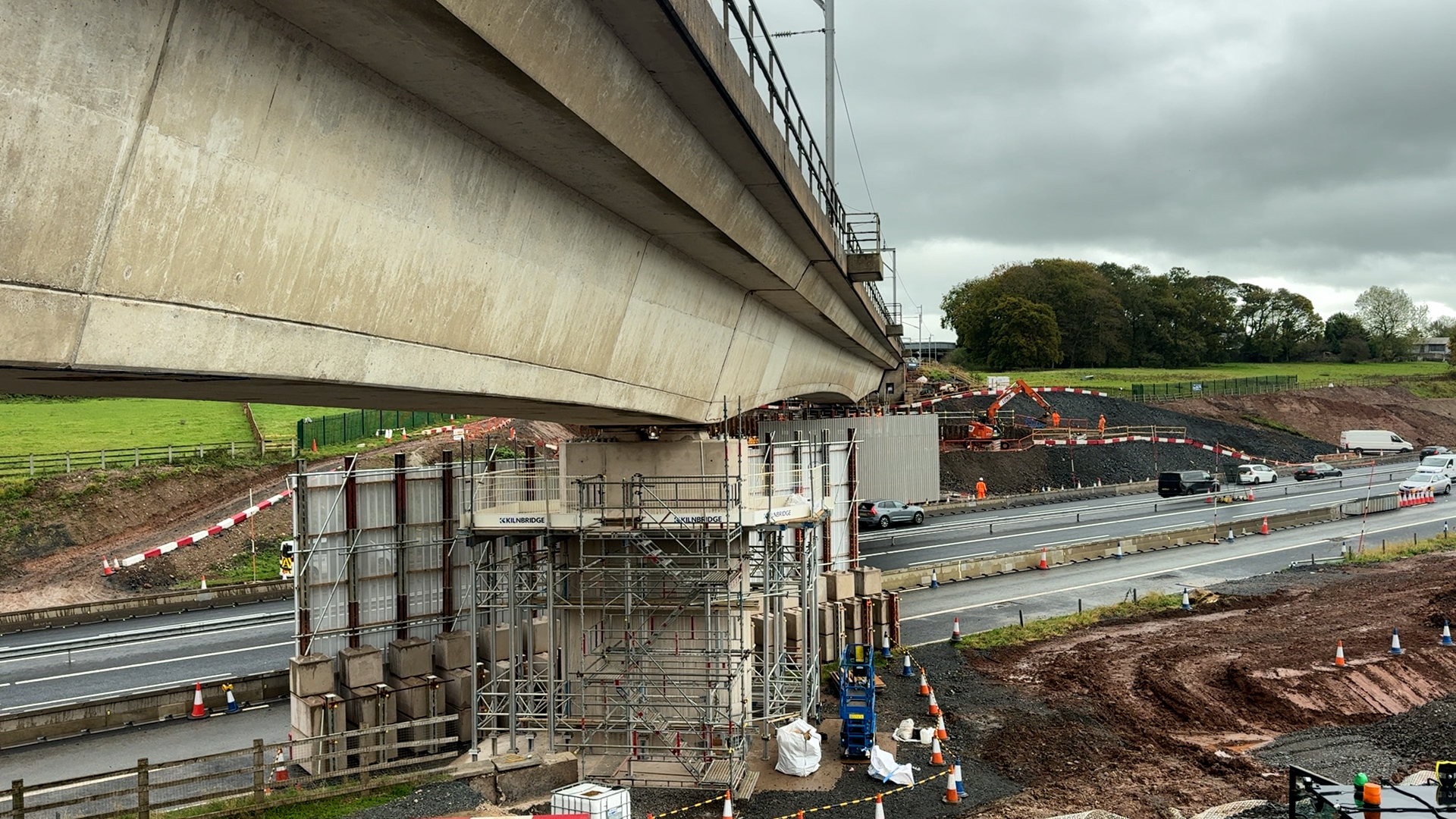
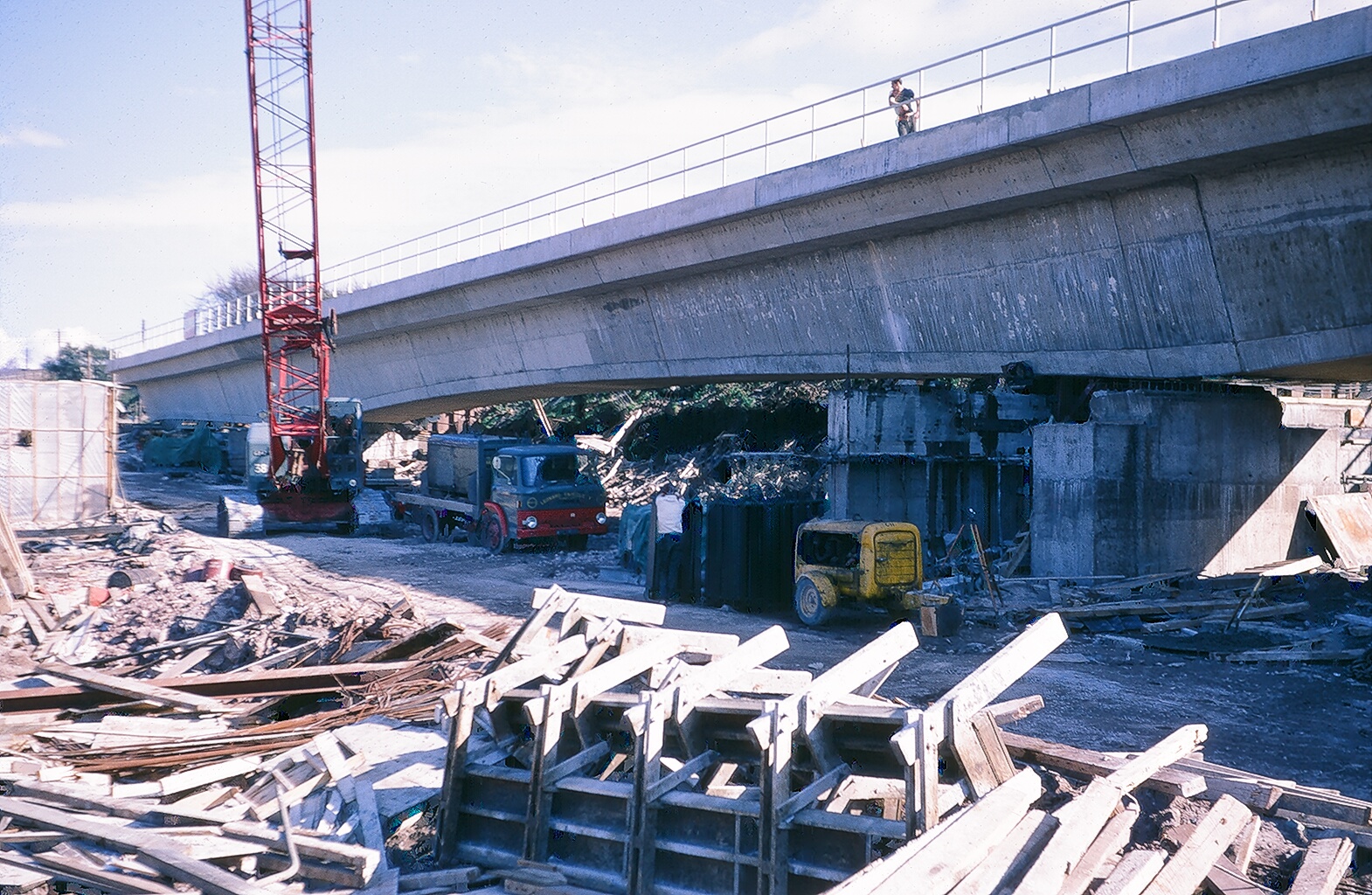
This weekend will see the final stages of one of the largest and most complex local civil engineering projects in decades get underway just south of Penrith at Clifton, as Network Rail begins the removal of the 60-year-old concrete railway bridge that has carried passengers and freight across the M6 since the motorway first opened.
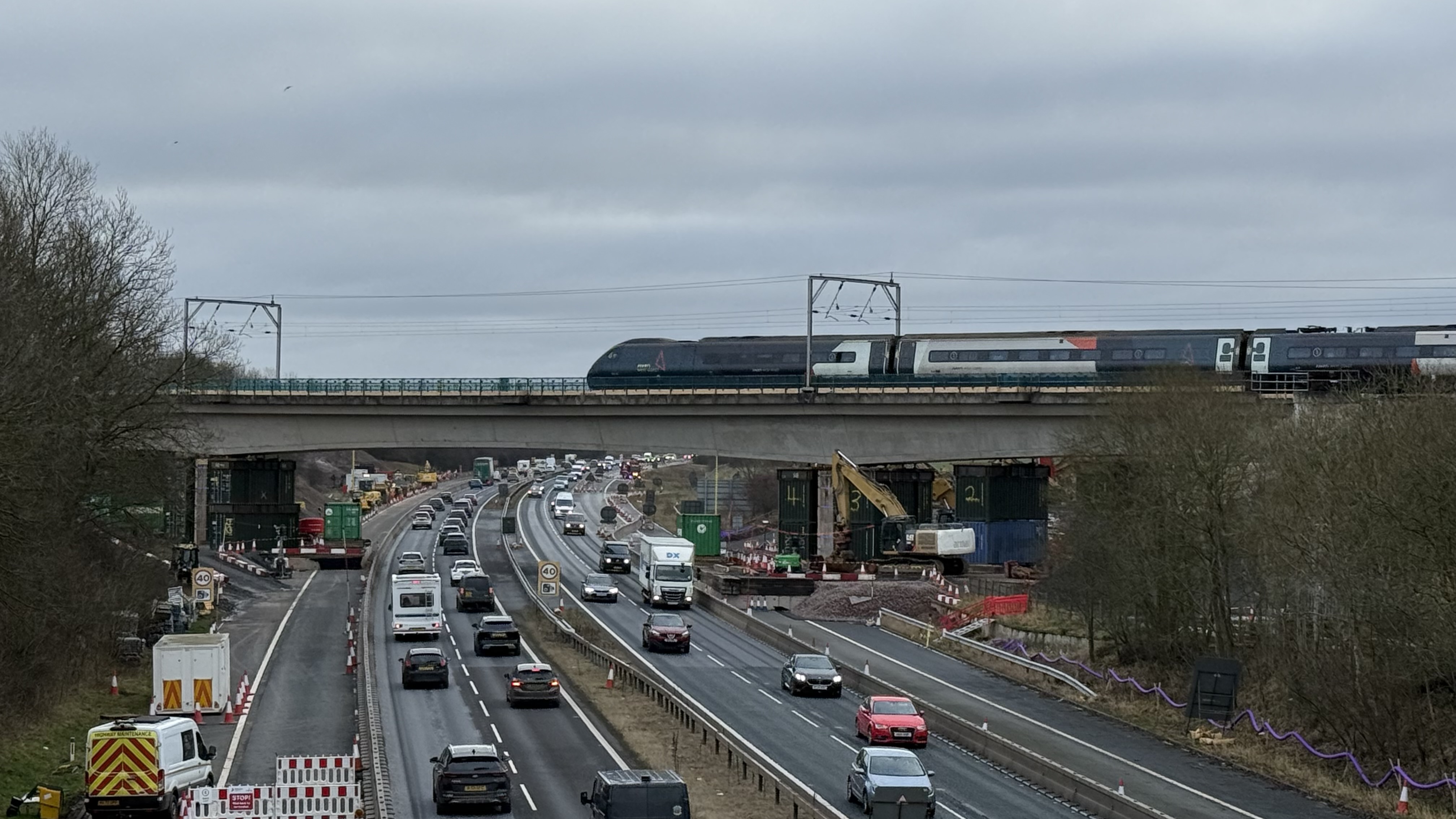
To allow the work to take place safely, National Highways will close the M6 to all traffic between Junction 40 at Penrith and Junction 39 at Shap from 8pm on Friday 2 January until 5am on Monday 5 January 2026. The motorway will then close again from 8pm on Friday 9 January until 5am on Monday 12 January 2026. Major disruption is expected across both weekends, compounded by the closure of the West Coast Main Line from New Year’s Eve for a total of 16 days.
Over the past year, Network Rail has been working alongside the M6 at Clifton to construct a substantial site compound, complete with its own purpose-built slip road directly onto the motorway. This compound has been created to receive and assemble the huge sections of the new bridge, fabricated in Scotland and delivered to Clifton over the last six months. These sections have been assembled on site into a new 130-metre steel bridge, which in just over a week’s time will be driven out of the compound and into position. Once installed, it is hoped the new structure will carry the West Coast Main Line for at least the next 120 years.
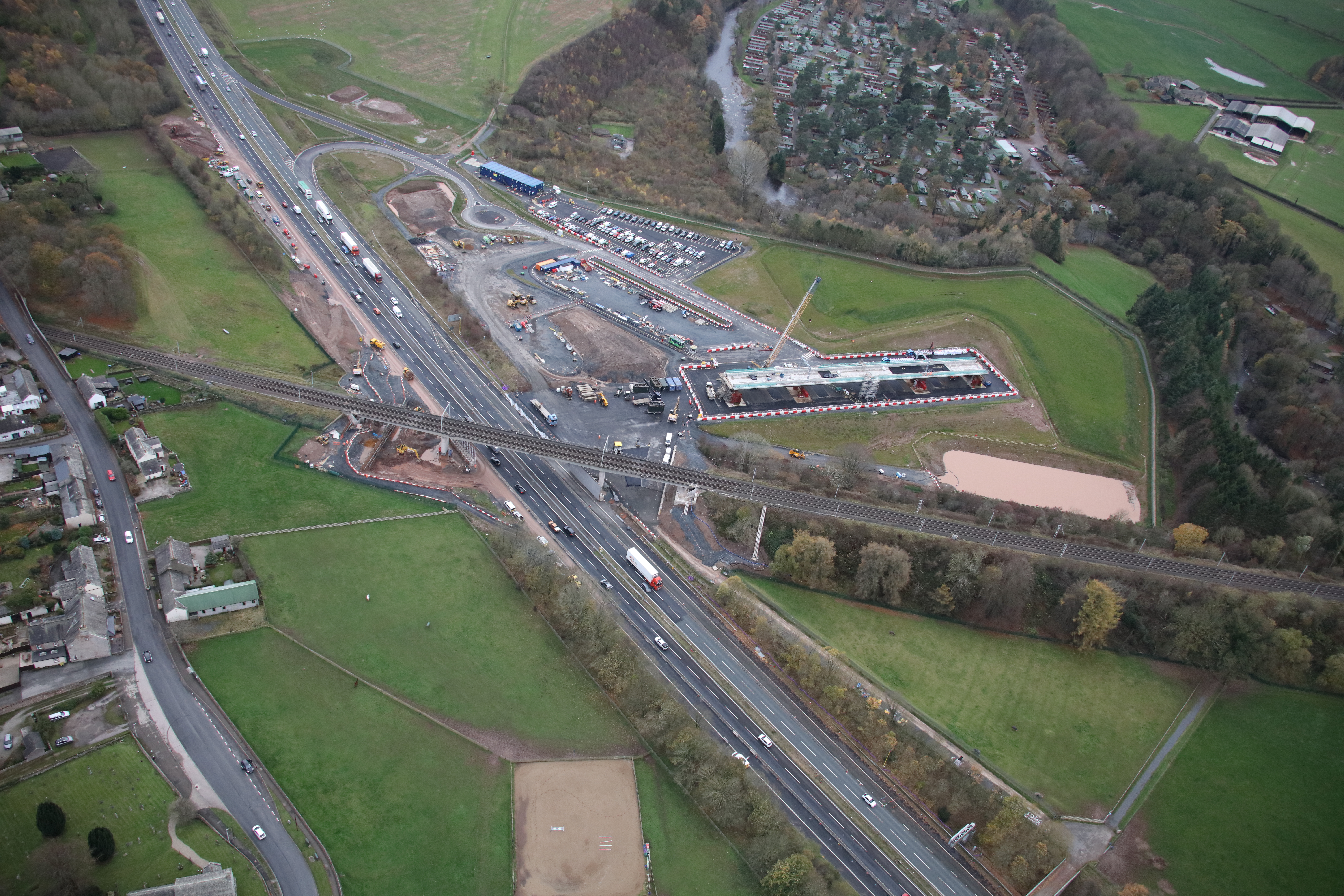
The existing concrete bridge will be demolished during this first closure, with all rubble moved into the compound alongside the M6. The material will then be crushed and removed from site over the coming months. The West Coast Main Line will close from New Year’s Eve, after the final train passes over the Clifton bridge, allowing Network Rail to remove the track, ballast, overhead lines and gantries in preparation for the demolition.

To enable the work to take place, National Highways will fully close the M6 between Penrith and Shap, diverting an estimated 40,000 vehicles off the motorway and onto local diversion routes. Northbound traffic will be diverted via the A6, while daytime southbound traffic will be routed via the A66 and A685 to Junction 38. Southbound HGVs will face a much longer diversion, travelling via the A66 to Scotch Corner, then south on the A1, before crossing on the M62 to rejoin the M6 near Manchester. Overnight, all traffic will be diverted via the A6, subject to traffic volumes and conditions.
Once the motorway is closed, Network Rail will begin constructing a temporary platform to raise the level of the M6 to match that of the compound, while also protecting the motorway surface from damage. Shipping containers will then be stacked beneath the bridge within the motorway corridor, with hydraulic jacks placed on their roofs. These will work in conjunction with jacks already positioned on either side of the motorway to lift the bridge clear of the embankment piers and support columns, once the high-tension cables that have held the bridge together for six decades are released.

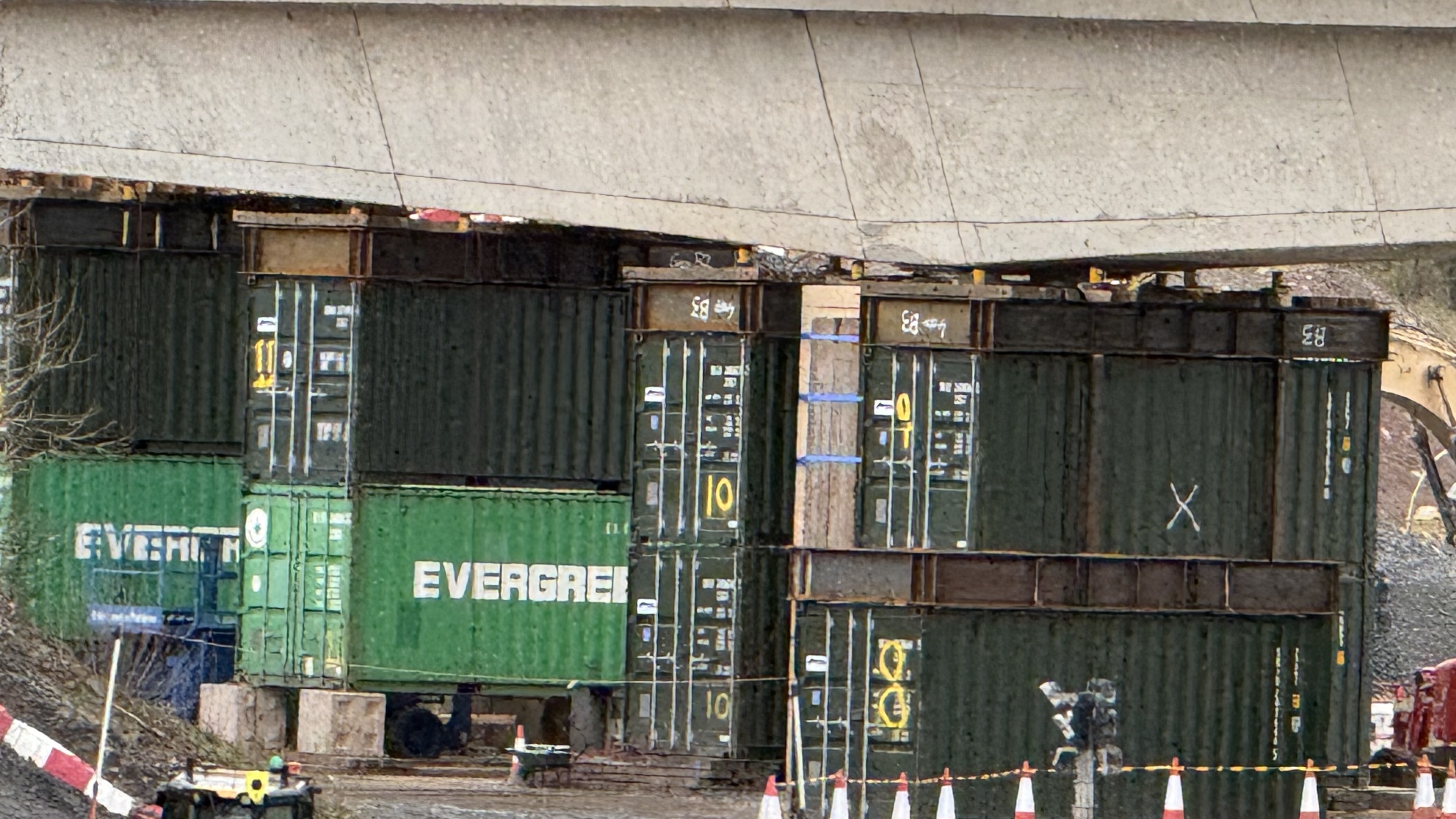
These cables run from the embankments through the concrete structure itself, and their removal is expected to be one of the most tense and potentially hazardous stages of the demolition.
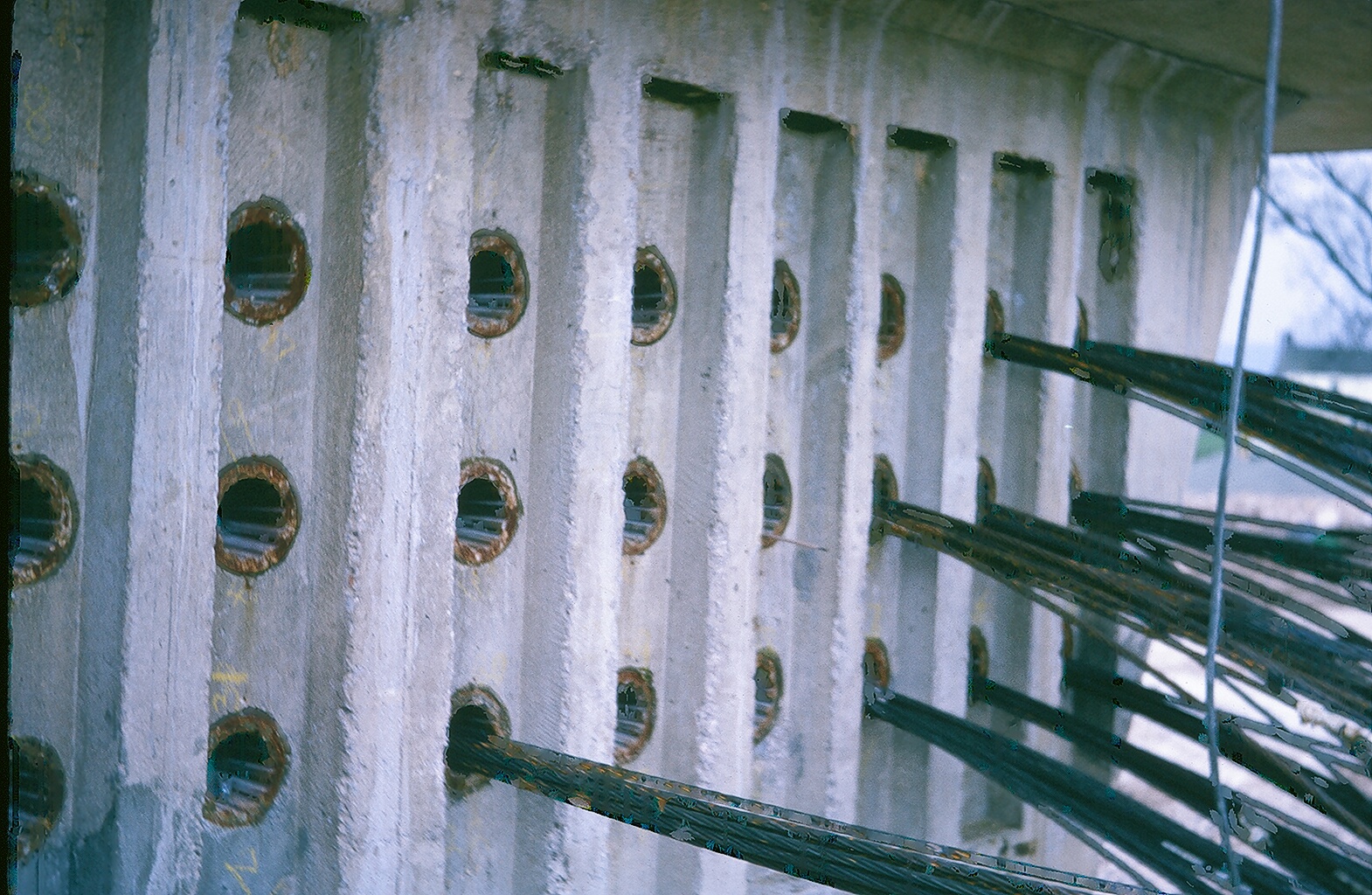
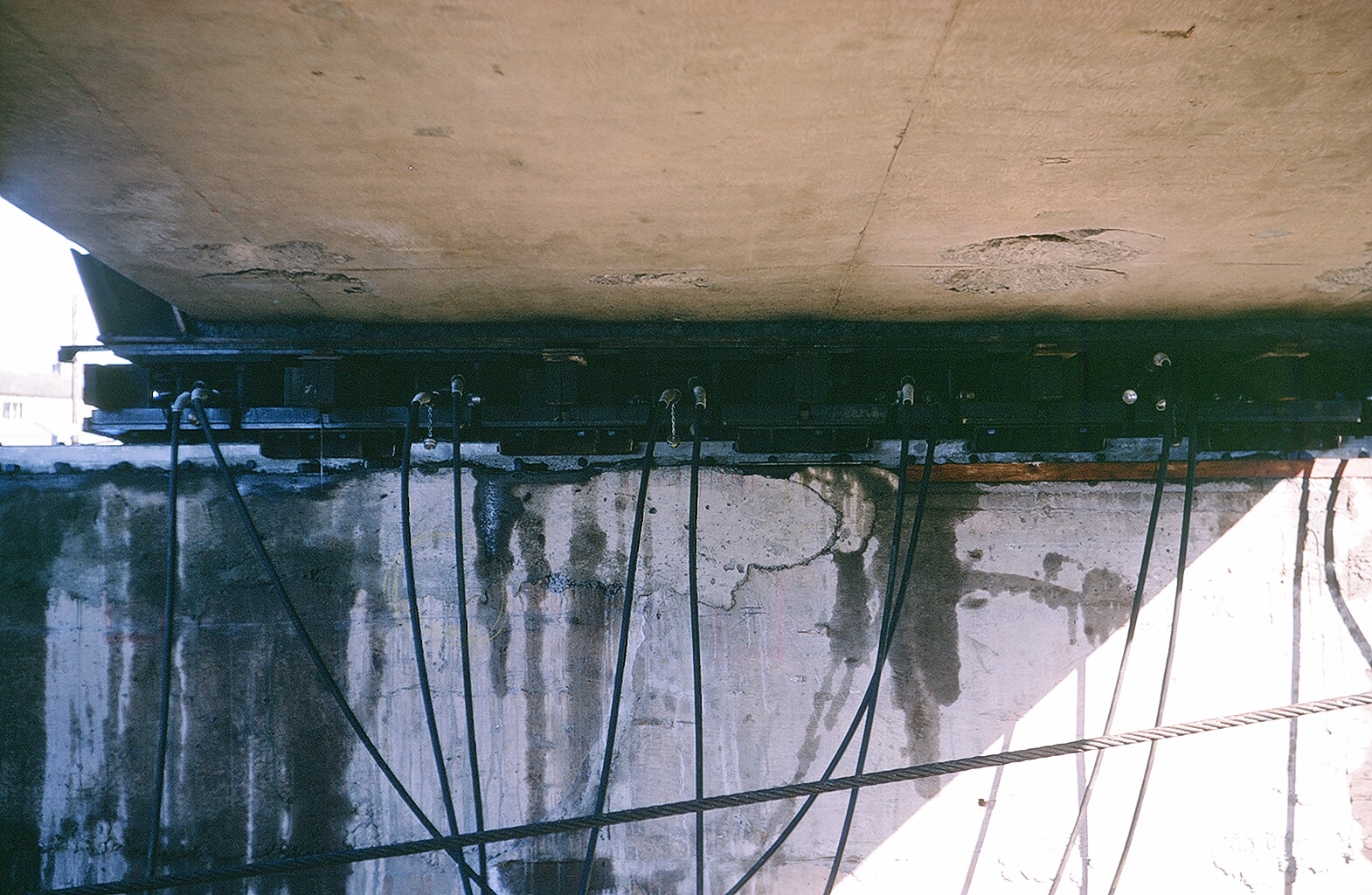
With the cables removed and the bridge fully supported, an army of heavy machinery will move in to begin breaking up the structure, chipping away at the concrete until it is reduced to rubble. A fleet of trucks will then transport the material into the Clifton compound. The entire demolition operation is scheduled to be completed in time for the M6 to reopen by 5am on Monday morning.
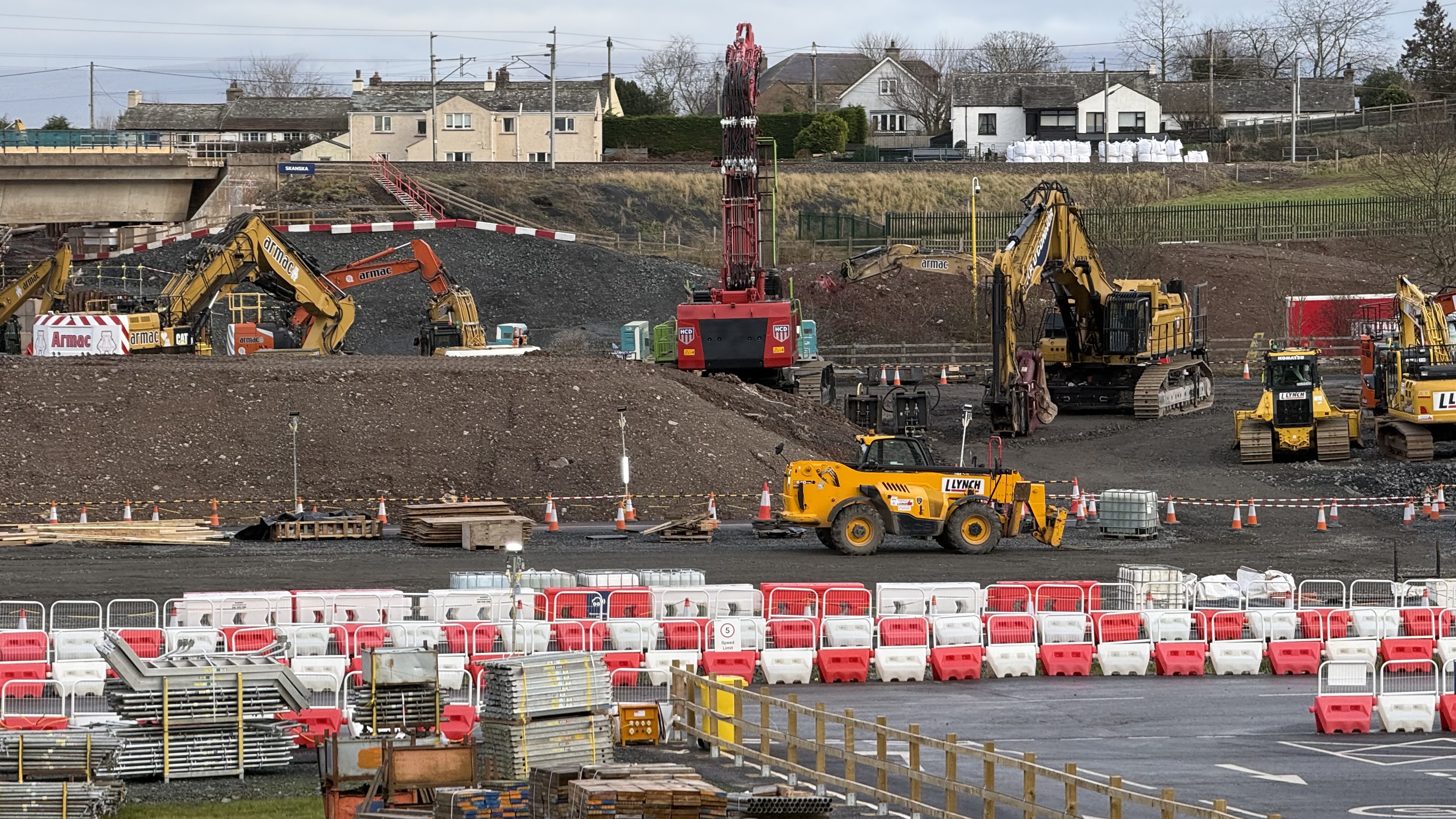
During the following week, Network Rail will continue work on the embankment piers and support columns, carrying out final preparations for the next major stage of the project. This will see the M6 closed again from 8pm on Friday 9 January, as the motorway is once more built up to compound level. During this second closure, the new steel bridge will be moved into place by four self-propelled modular transporters. Working together, they will carry the 130-metre-long structure out of the compound, across the closed motorway, and carefully lower it onto the strengthened columns and embankment piers.
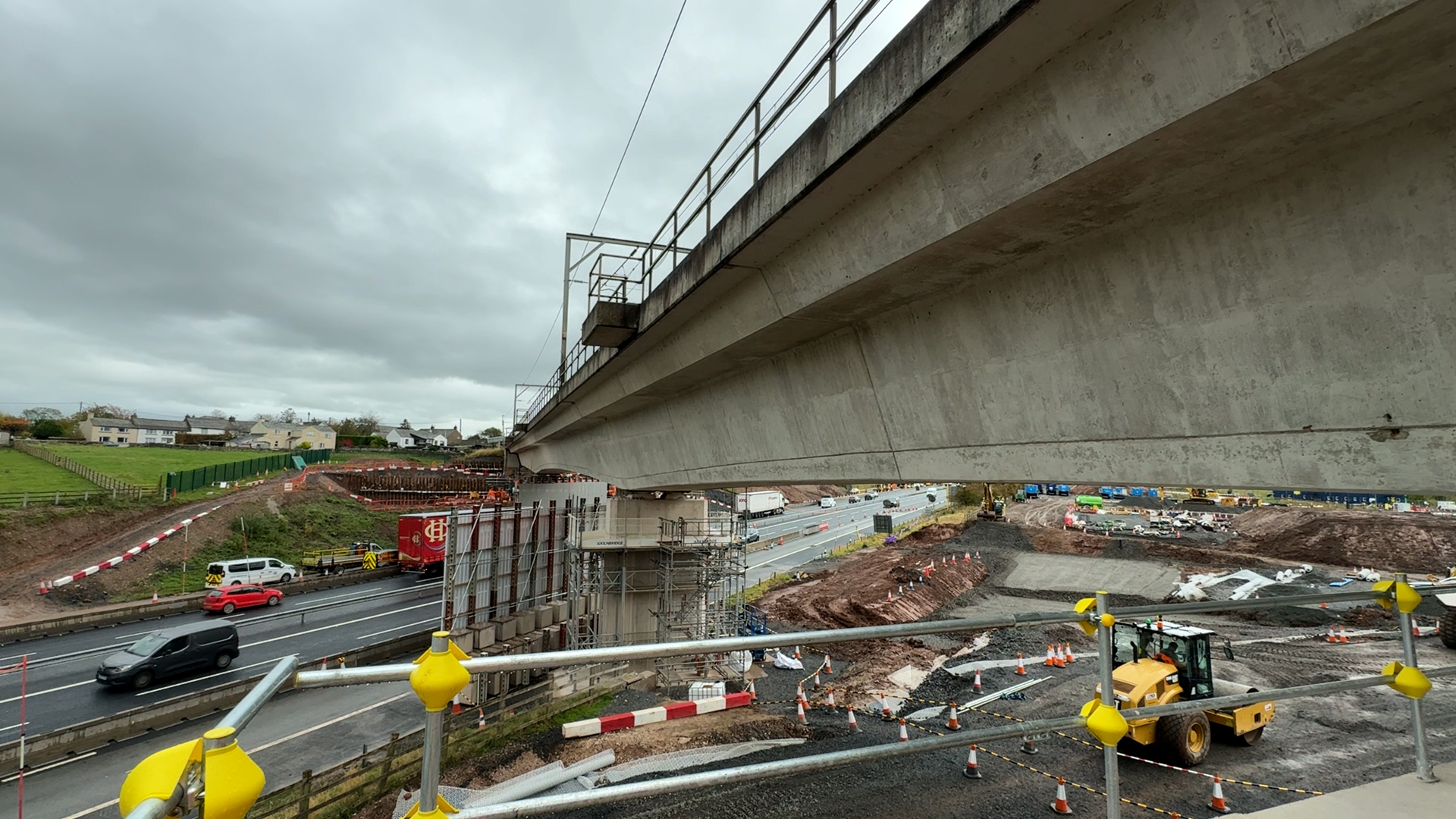
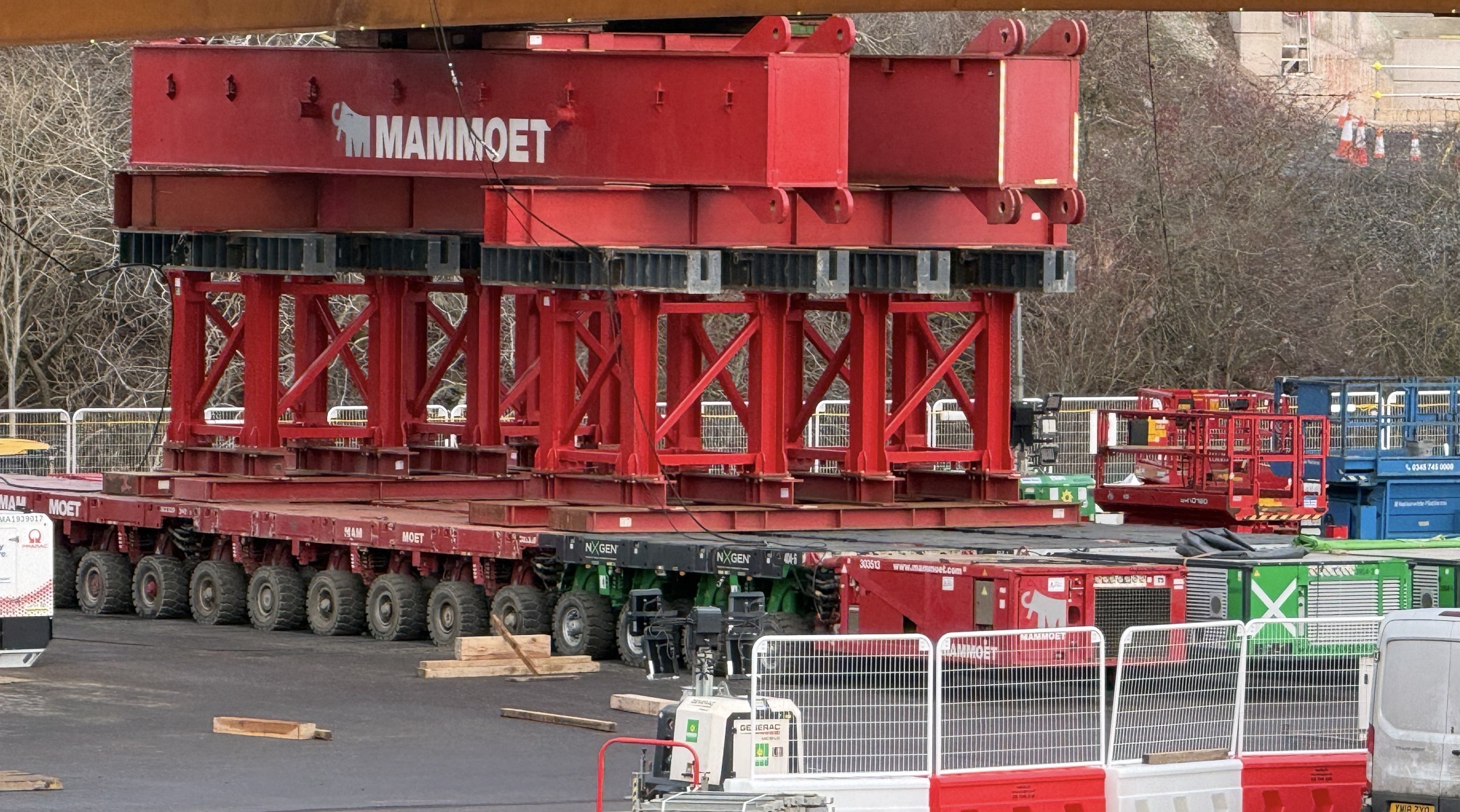
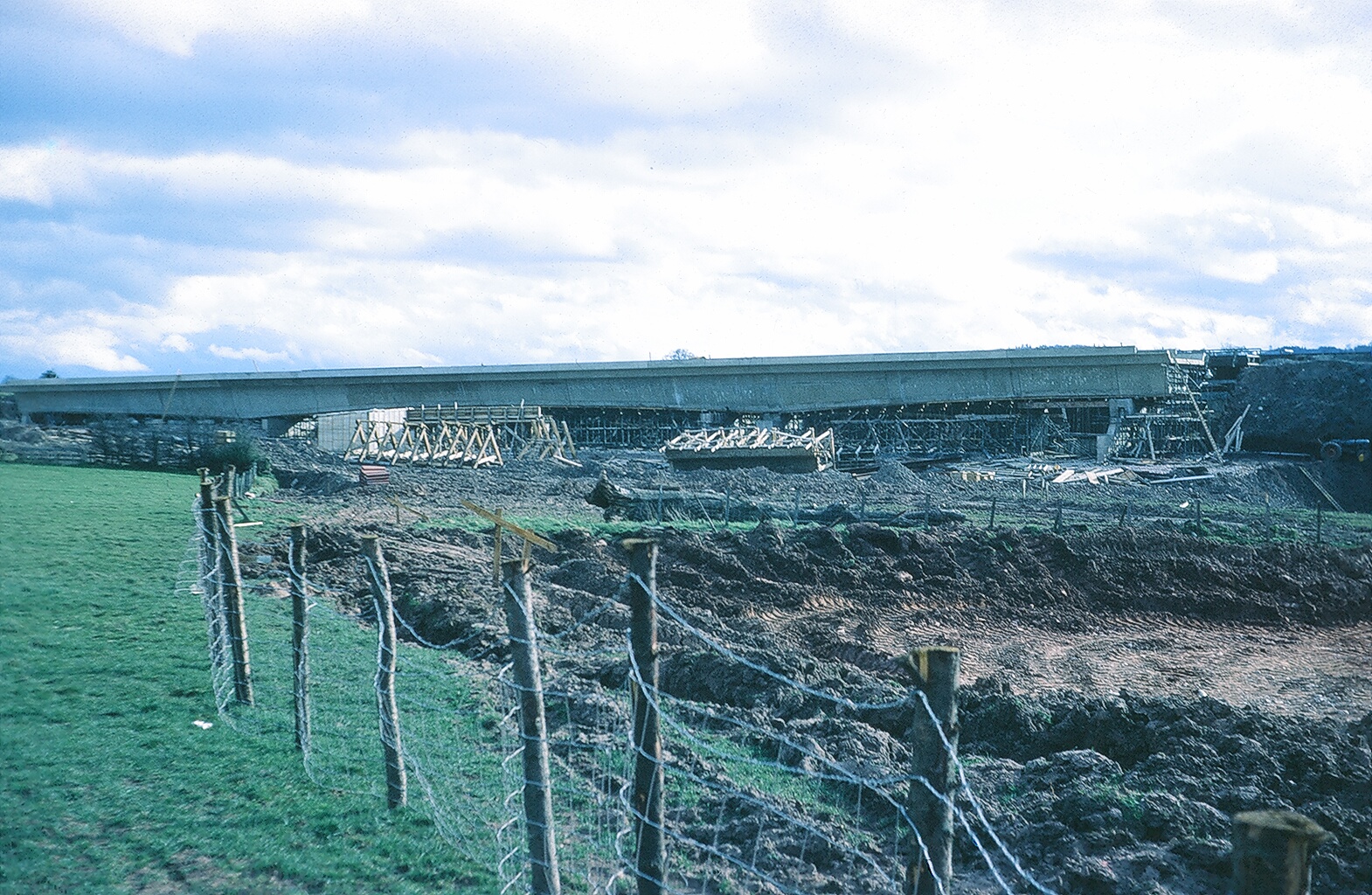
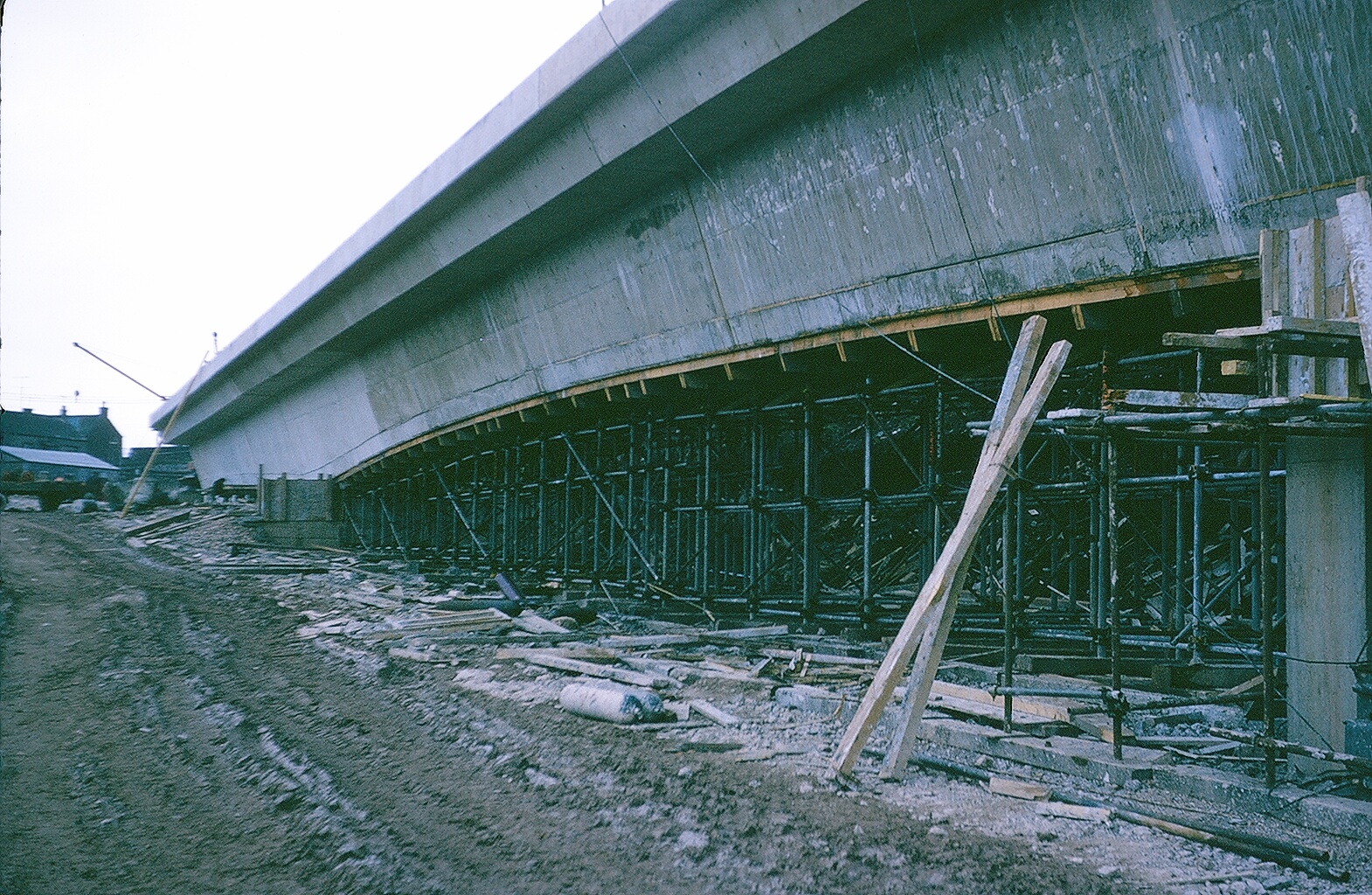
If all goes to plan, the new bridge will by 5am on Monday the 12th of January stand ready to carry the West Coast Main Line that turned 179 years old this month into the next century and beyond, carrying passengers and freight across the M6 marking the completion of one of the most significant engineering projects the local area in generations since the arrival of the M6 when the current bridge was constructed and slid into place 60 years ago.

The new railway bridge project is a lot more complex for Network Rail than the construction of the original bridge constructed alongside the original line and moved into place over a weekend before the M6 was then constructed under the new bridge.



 Then select "Add to Home Screen"