Households are being encouraged to take a few simple steps to stay prepared if everyday services are temporarily disrupted, under updated advice published today.
The advice is the first stage of a three-year campaign to help households across the UK feel better prepared for events such as severe weather, which can occasionally affect services including power, water, phones and the internet.
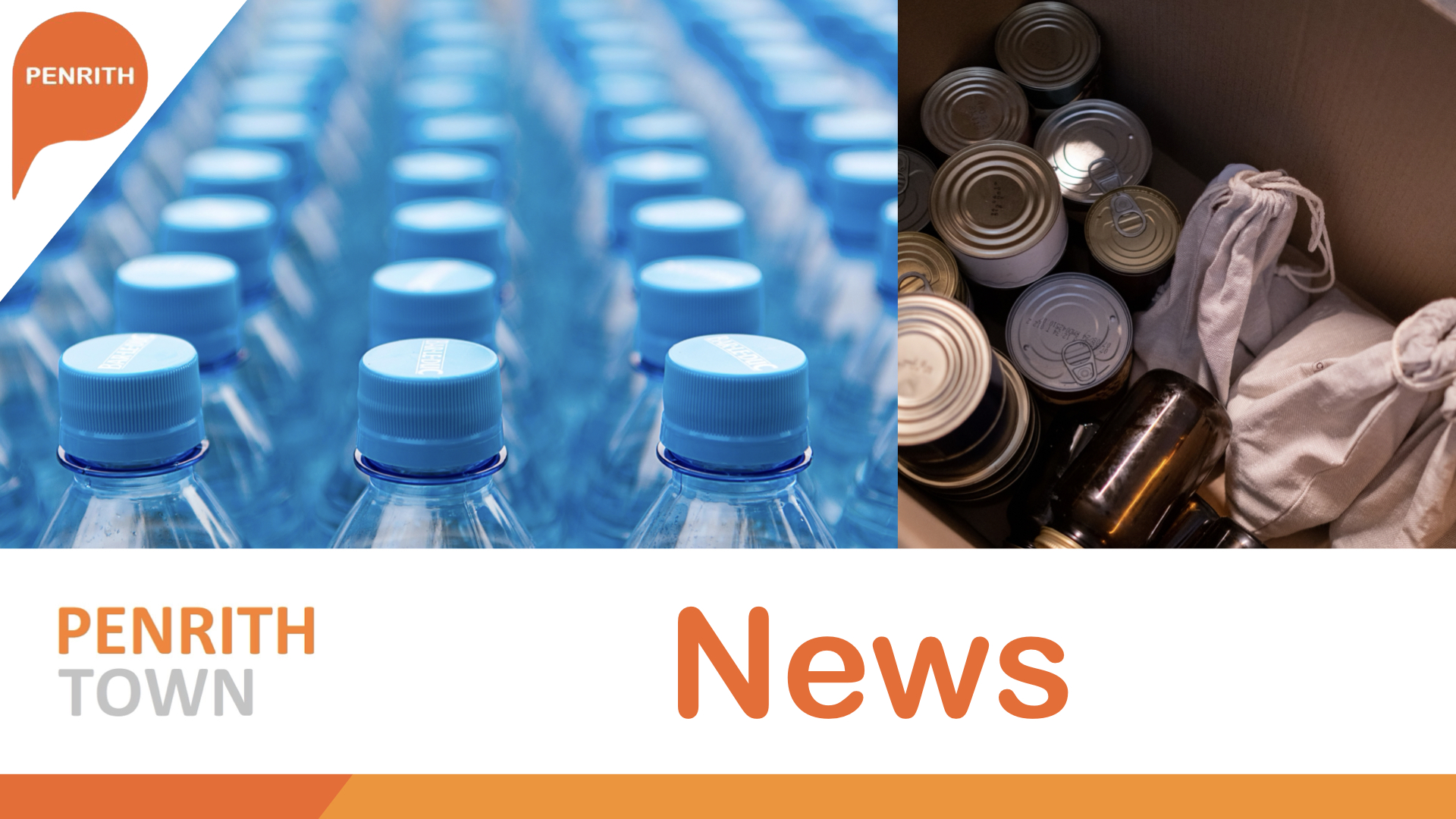
The campaign focuses on straightforward things people can do in advance, including signing up to the Priority Services Register - a service that helps gas, water, and electricity companies identify customers that may need extra support in an emergency - and keep a small supply of non-perishable food and bottled water at home.
With storms last winter and the wildfires this summer showing how severe weather events can cause disruption to our everyday lives and impact the services we rely on, from phone signal to water and the internet, launching the campaign brings the UK into line with European peers who all run similar campaigns already.
The government has worked with other countries to learn from their experience and best practice. For example, the advice to be prepared for three days of disruption that is at the heart of the UK campaign is also used by France, Ireland and The Netherlands.
The government has also worked closely with local resilience forums across the UK to root the advice in what works for local communities.
Dan Jarvis MP, Security Minister, said:
Those who can follow this advice should follow this advice. By taking simple steps to be ready for everyday emergencies like severe storms, people can reduce pressure on emergency services, helping them prioritise people who need more support in an emergency.
This is just the sort of community-focused campaign the UK needs to improve our resilience as a nation. It will bring us into line with European counterparts, where advice like this is a normal part of everyday life.
The ‘Be Ready’ campaign will build gradually over time. More than five hundred organisations across the UK, from charities to businesses, have already signed-up to share messaging and campaign assets within their networks and communities. Government channels like GOV.UK and social media accounts will also amplify content.
Over the coming weeks and months, social media and radio advertising will help reach audiences who may be particularly at-risk in everyday emergencies: families with young children and older people.
To ensure the updated advice is relevant and accessible to all, the ‘Be Ready’ campaign has been built in collaboration with charities and campaigners that work with groups that are often under-represented, including people with insecure housing and people who use foodbanks.
Many of the simple steps are quick and cost-free, like signing up to the Priority Services Register, and other steps are designed to be as low-cost as possible. The intention is that, if households that can take these steps do, emergency services will be able to prioritise those most in-need if an emergency were to happen.
The Government has published resilience advice for households since May 2024. While the ‘Be Ready’ campaign has seen the previous “Prepare” website updated with new messaging and branding, much of the advice has not changed and remains evergreen for households to follow.
Laura Scott, British Red Cross Director for UK Resilience, said:
We can’t control when emergencies happen, but we can all take some simple steps to be prepared, so that when they do, we are ready to help our friends, families and neighbours.
We know from our work across the UK that local people know their communities best and want to play a part when a crisis happens. Having clear and trusted advice for people, especially those who may be more at-risk, could help reduce the impact of crises and even save lives.
What's included in the government's 'Be Ready' checklist?
The government recommends households prepare three days of supplies to support themselves through an emergency.
Water: Three litres of bottled water per person per day for drinking. More would also be needed for other tasks such as cooking and washing.
Food: Three days worth of non-perishable foods that don't need refrigeration or cooking, such as tinned meat or vegetables, dried fruits and nuts. The government advises buying food you usually eat.
Hygiene: Hand sanitiser, wet wipes, hygiene and bathroom products. Light and warmth: A torch with spare batteries, blankets, sleeping bags and warm clothing.
Communication: A wind-up or battery powered radio and a charged power bank. Money and documents:
Cash, including a mix of coins and cards, copies or IDs and documents, important phone numbers written out, and essential information, such as medication names and doses.
Medical and health: A first aid kit, essential medication and medical supplies.
Baby products: Baby formula, particularly ready-made or 'ready-to-feed' in case households are unable to boil water. Nappies and wipes.
Pet products: Food and bottled water.



 Then select "Add to Home Screen"