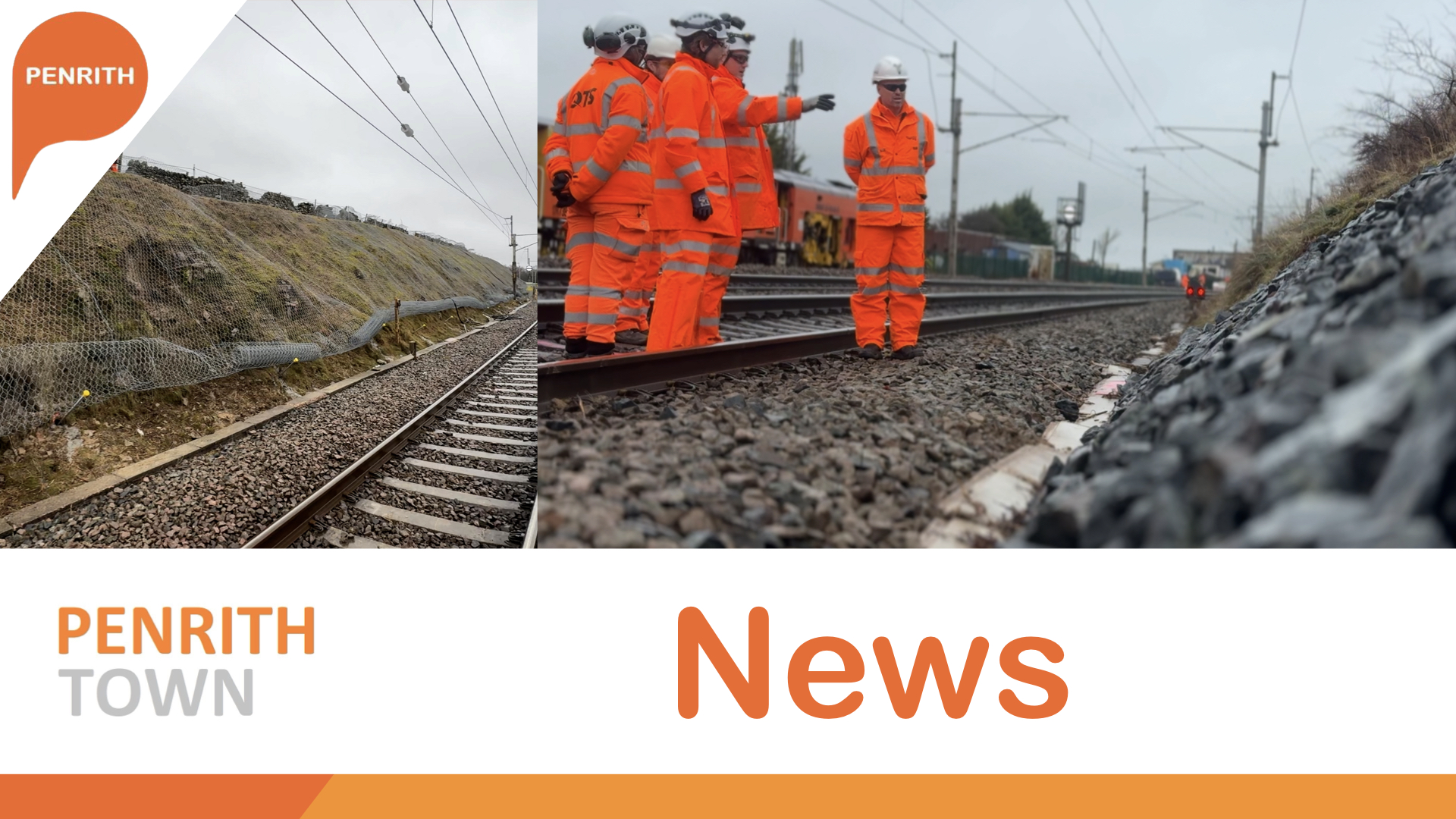
A £2 million programme of works at Shap has strengthened the West Coast Main Line in Cumbria ahead of the winter, as Network Rail invests tens of millions of pounds to protect key railway routes across the North West.
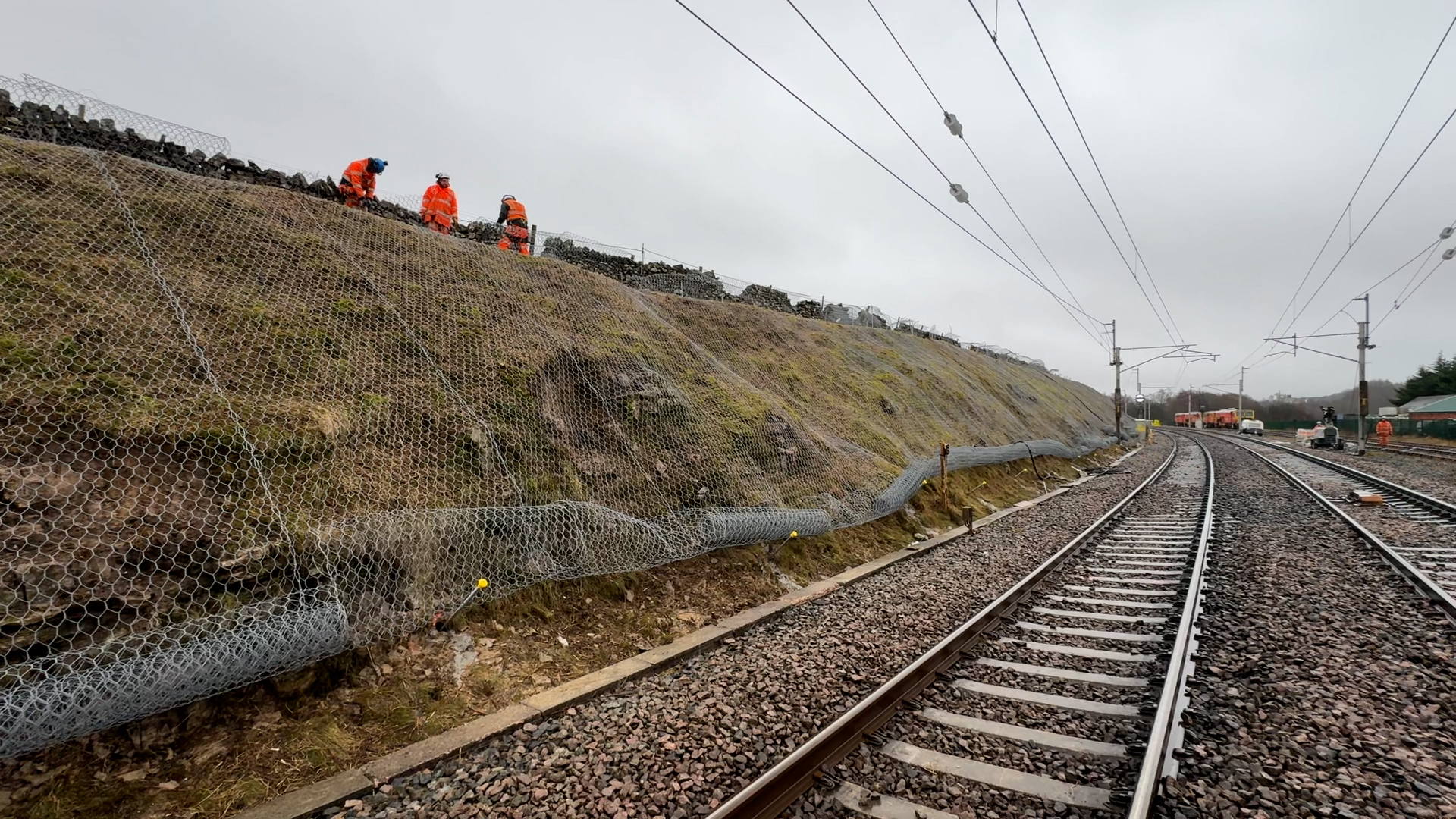
The work at Shap Thorn Cutting was carried out as part of network resilience project and has seen Network Rail strengthen sections of the railway against loose rock and material falling from the surrounding slopes.
Teams cleared vegetation and removed loose material from the cutting before installing anchors and rockfall netting at targeted locations.
Network Rail says the work will help reduce the risk of loose rock and slope material reaching the tracks, making the West Coast Main Line better prepared for periods of challenging weather.
The route through Shap is an important part of the West Coast Main Line, carrying passenger and freight services through Cumbria between the North West and Scotland.
The Shap works form part of £41 million being invested by Network Rail on major earthworks schemes across the North West, with projects designed to improve the resilience of the railway during periods of heavy and prolonged rainfall and severe weather.
Elsewhere, £11.5 million has been spent on drainage and earth stabilisation at Shale Cutting on the Settle to Carlisle railway, while £9.5 million has been invested in embankment upgrades between New Mills and Hague Bar in Derbyshire.
Network Rail has also been carrying out wider preventative work across the region, including clearing drains, cutting back vegetation and checking railway infrastructure ahead of the winter.
Rob Stephens, Network Rail North West route engineering director, said the projects had been prioritised to help prevent disruption on some of the region's most exposed sections of railway.
“We’re no stranger to storms in the North West – especially in the winter – and these multi-million-pound projects have been prioritised to prevent disruption for passengers on some of our most exposed and remote sections of railway.
“Alongside this our teams right across the network have also been out clearing drains, cutting back overgrown trees and thoroughly checking our infrastructure in recent months to pre-empt and prevent problems before they happen.
“By doing so we’re best prepared for weather extremes - which are becoming more frequent and ferocious – so we can react and recover quickly to keep passengers and freight moving safely.”
Network Rail says the work is part of its wider efforts to make the railway more resilient to the effects of climate change, particularly increased rainfall and extreme weather events.



 Then select "Add to Home Screen"